Education Series
See the Series
Principal Speaker: Clarissa Myrick-Harris, Morehouse College
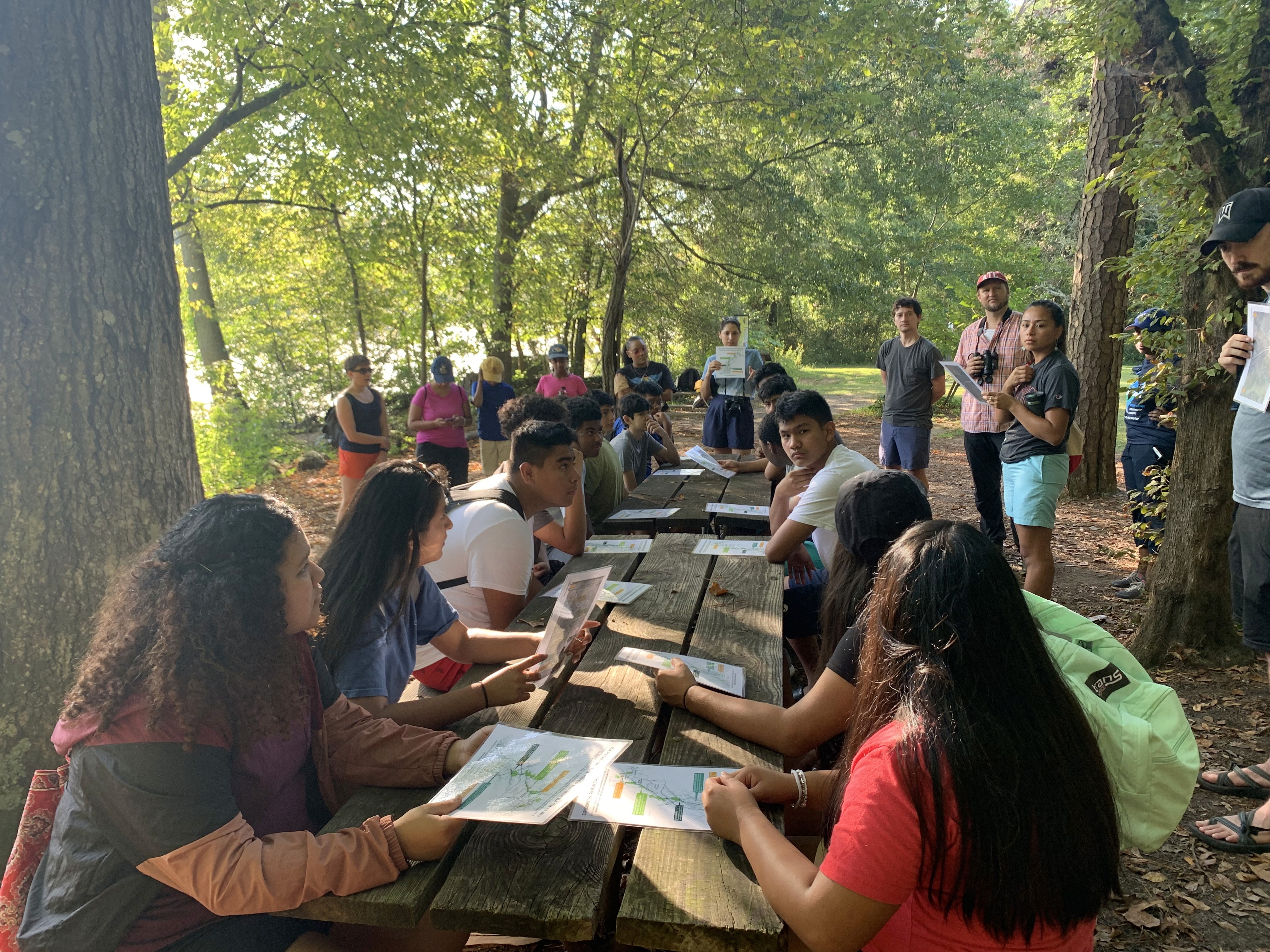
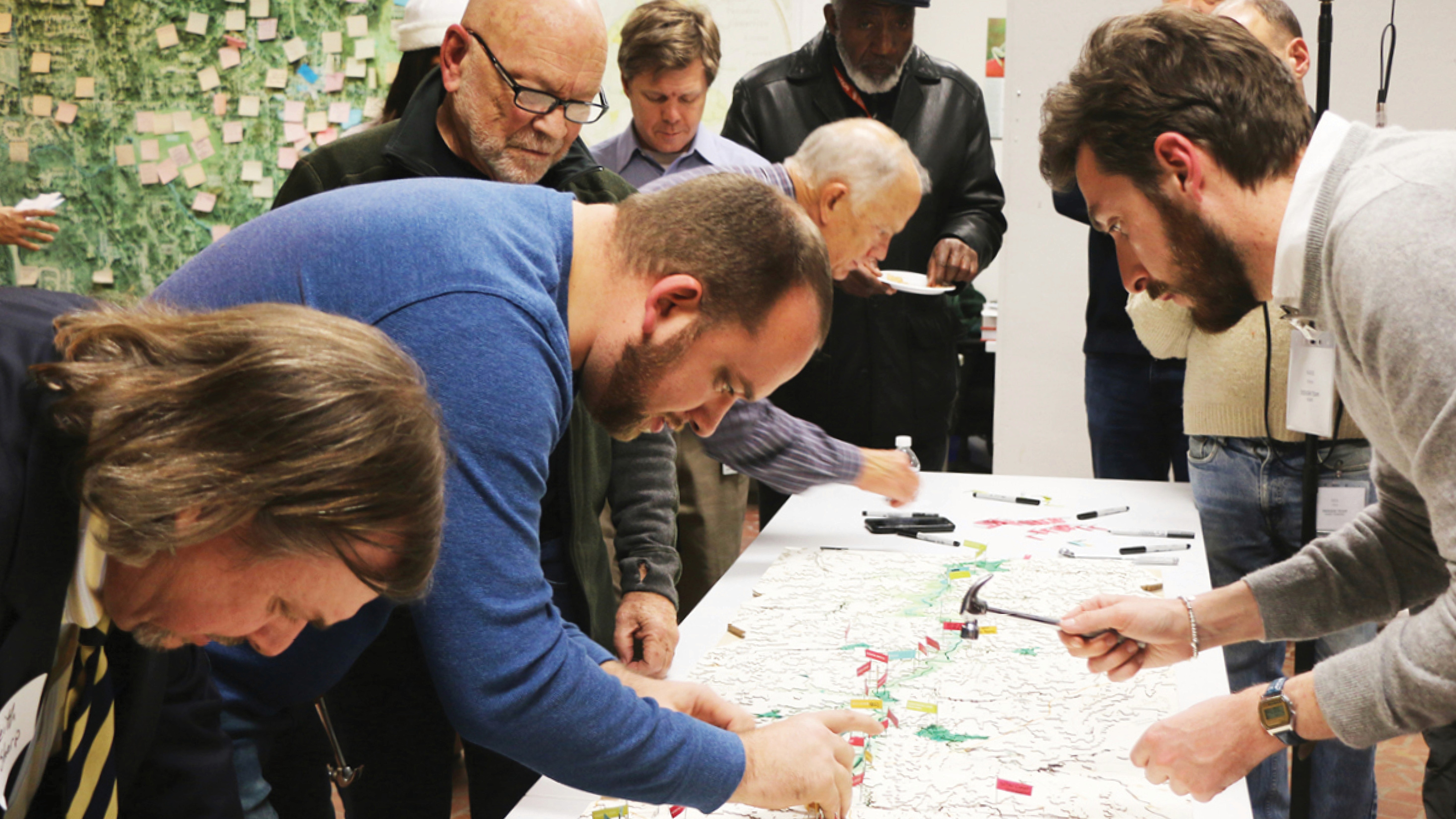
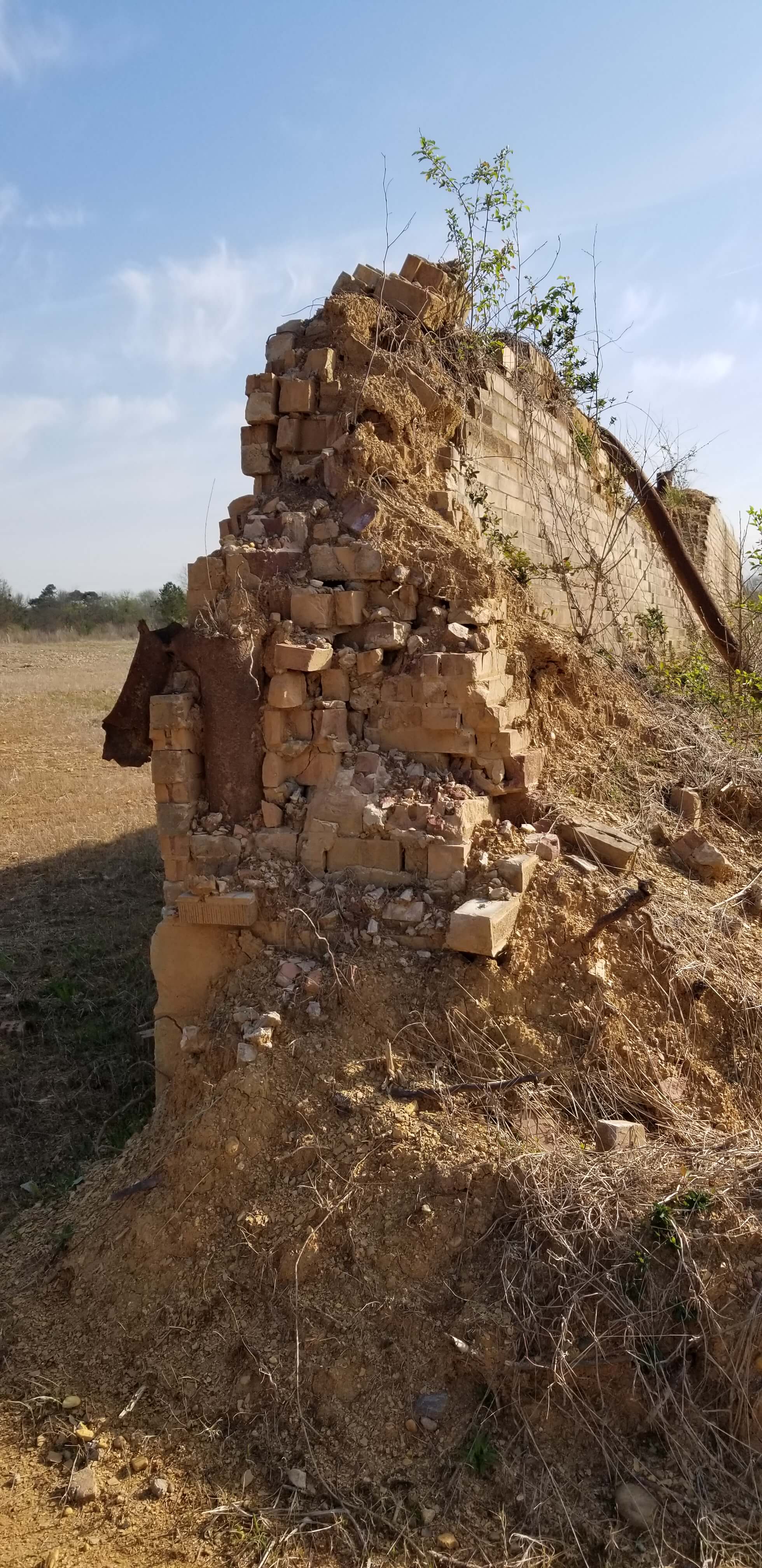
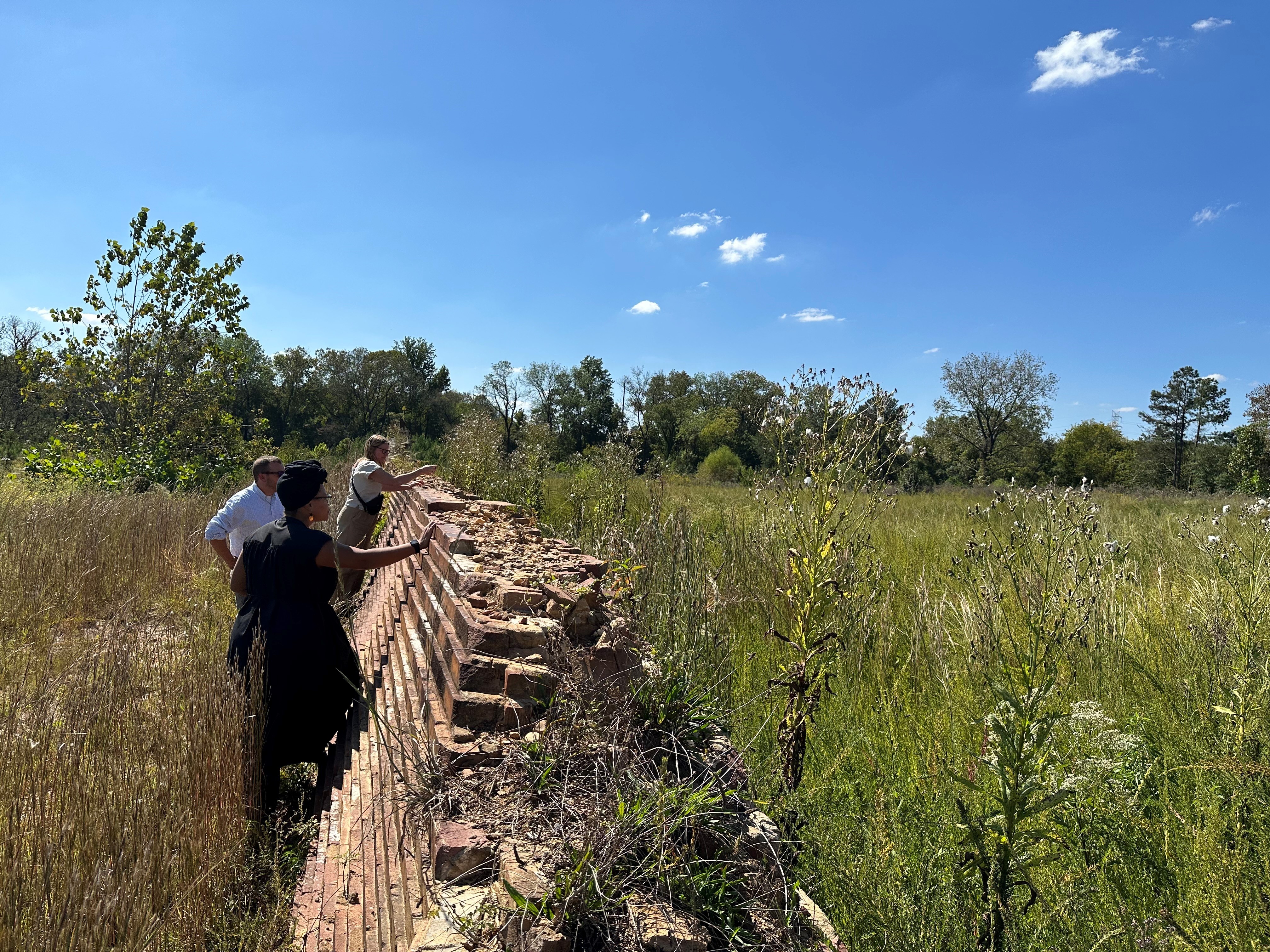
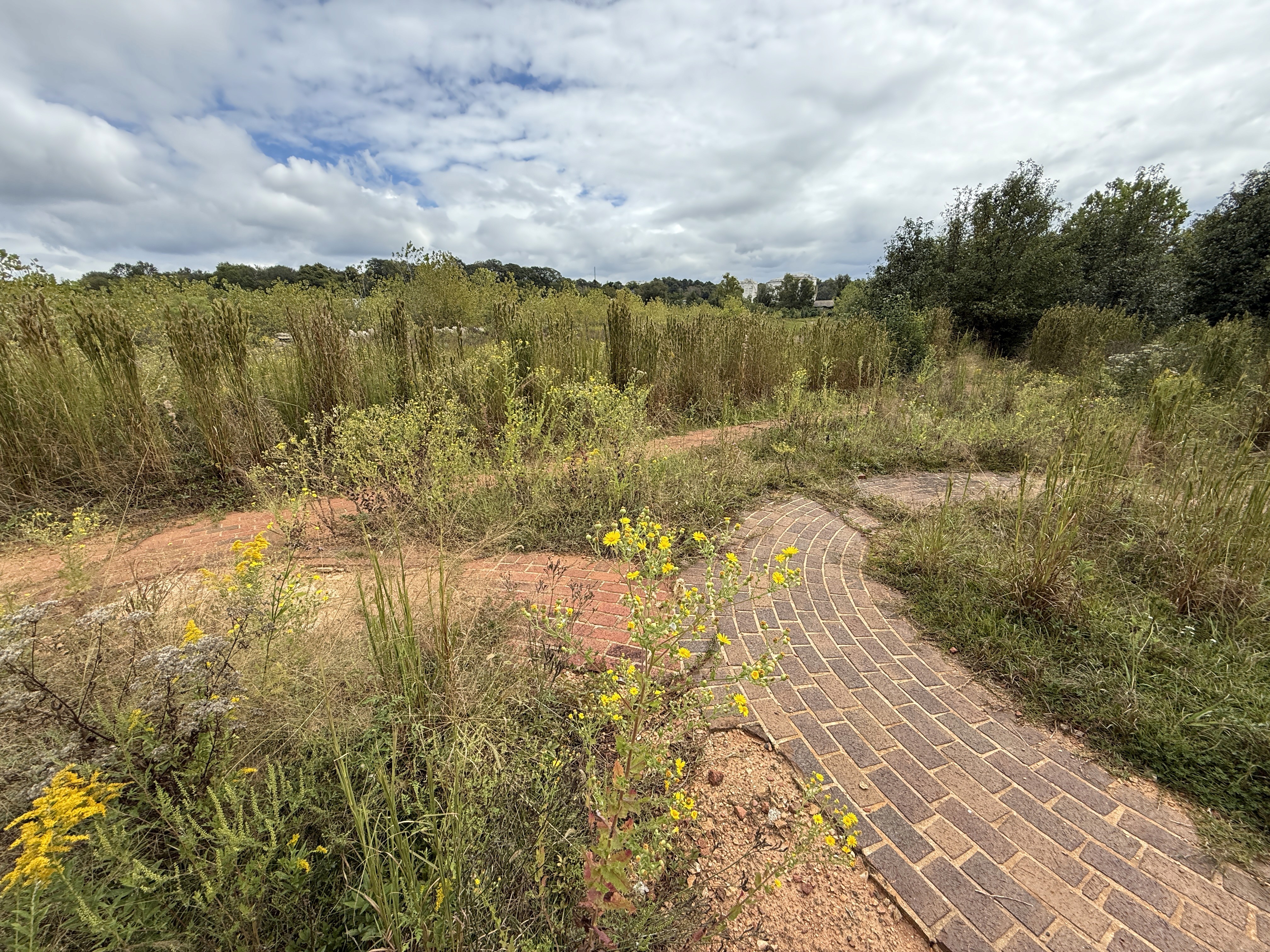
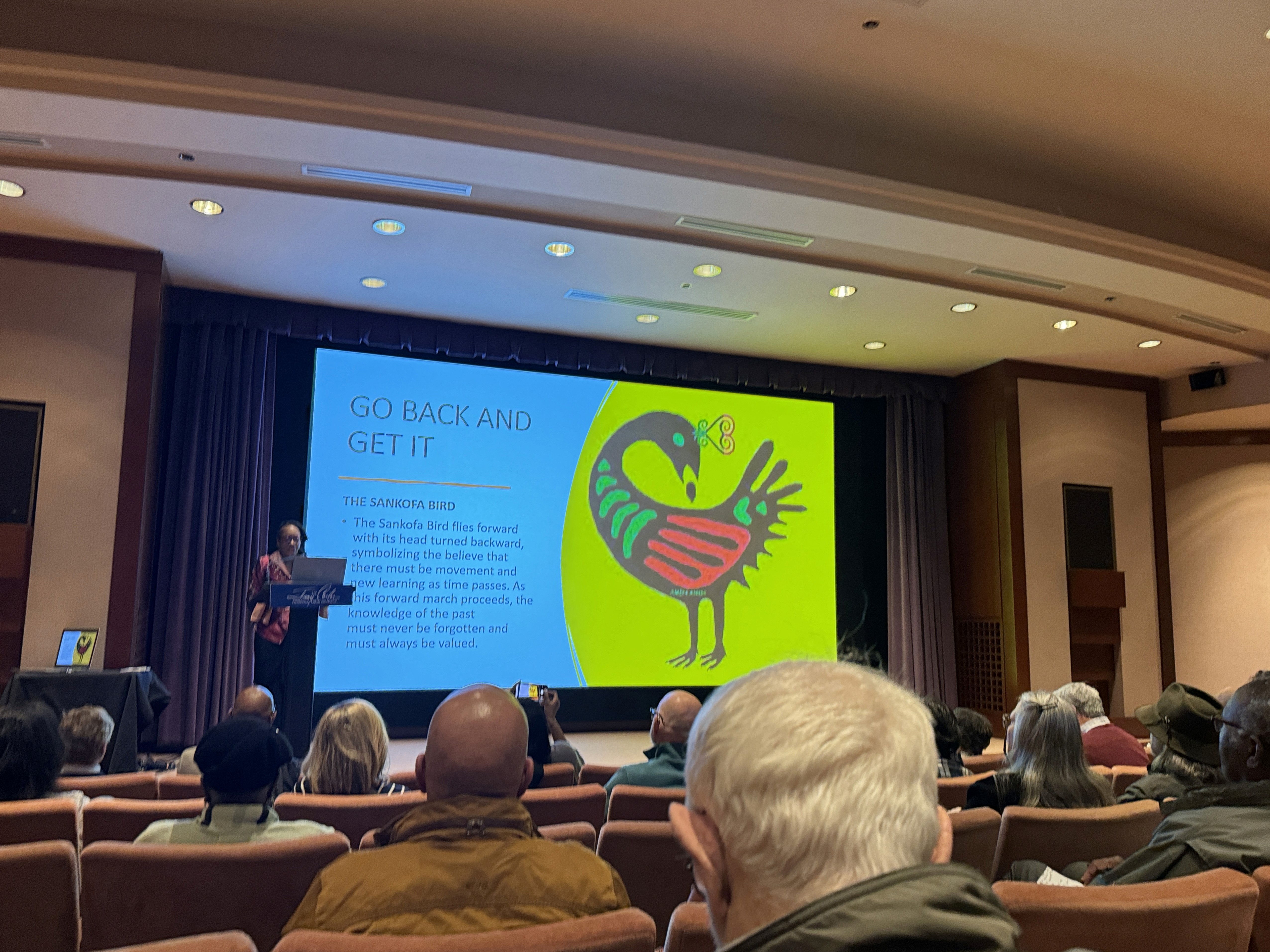
The City of Atlanta purchased the Chattahoochee Brick Company site in August 2022. Since then, City staff and various stakeholders have met regularly to discuss plans for site remediation, development, and use. This event provided attendees with the opportunity to hear from selected stakeholders and learn about the work completed on-site to date. Speakers also discussed the complexity of transforming the site from its former use to one that not only memorializes those who worked (and possibly died) there, but also serves the needs of Atlanta residents today. Additionally, Professor Clarissa Myrick-Harris spoke about the importance of memorialization and atonement as they relate to Atlanta’s Black history and culture.
Principal Speaker: James Brooks, Ph.D., University of Georgia
This lecture featured a local scholar whose work focuses on the history of the Native peoples who inhabited the area that would become the City of Atlanta, and home to the Chattahoochee Brick Company. The indigenous peoples and their cultures that existed during the Mississippian Period (A.D. 800-1600) were some of the most advanced and complex that ever existed in North America. With the onset of European invasions, however, these peoples and their way of life quickly declined. Those who remained engaged in ongoing struggles not only to retain their land and culture, but also to adapt to a new reality. The second session covered some of this history, as well as the forced dispossession of indigenous peoples and the Georgia land lottery that opened the land to European colonization.
Principal Speaker: Dr. Frederick Knight (Morehouse College)
A local scholar discussed nineteenth-century events that directly impacted African Americans (enslaved and free) and led to the convict leasing system—a practice that, for all intents and purposes, re-enslaved Black people, especially men and young boys. Topics covered during this seminar included Black enslavement, the Civil War, Reconstruction, the Reconstruction Amendments, Black Codes and Jim Crow Laws, and convict leasing in the State of Georgia.
Principal Speaker: Douglas Blackmon, Ga. State University
This seminar looked at James English and the late nineteenth-century practices of industry, labor, and environmental degradation. James W. English (1837-1925) was a Civil War veteran (CSA), businessman, Atlanta councilman, mayor, and police commissioner who would go on to become a controversial figure in Georgia and U.S. history. Born in Louisiana just outside New Orleans, English moved to Atlanta in the mid-1800s. At its peak, his signature business, the Chattahoochee Brick Company, produced between 200,000 and 300,000 bricks per day. And while businesses like Chattahoochee Brick were the fuel that powered the second U.S. Industrial Revolution, labor shortages on farms, low pay, deplorable living conditions for laborers, child labor, urban pollution, unregulated sewage, and water contamination were some of the negative side effects the country paid for in the pursuit of greater production and profits