About The Chattahoochee Brick Company Site
PROJECT DESCRIPTION
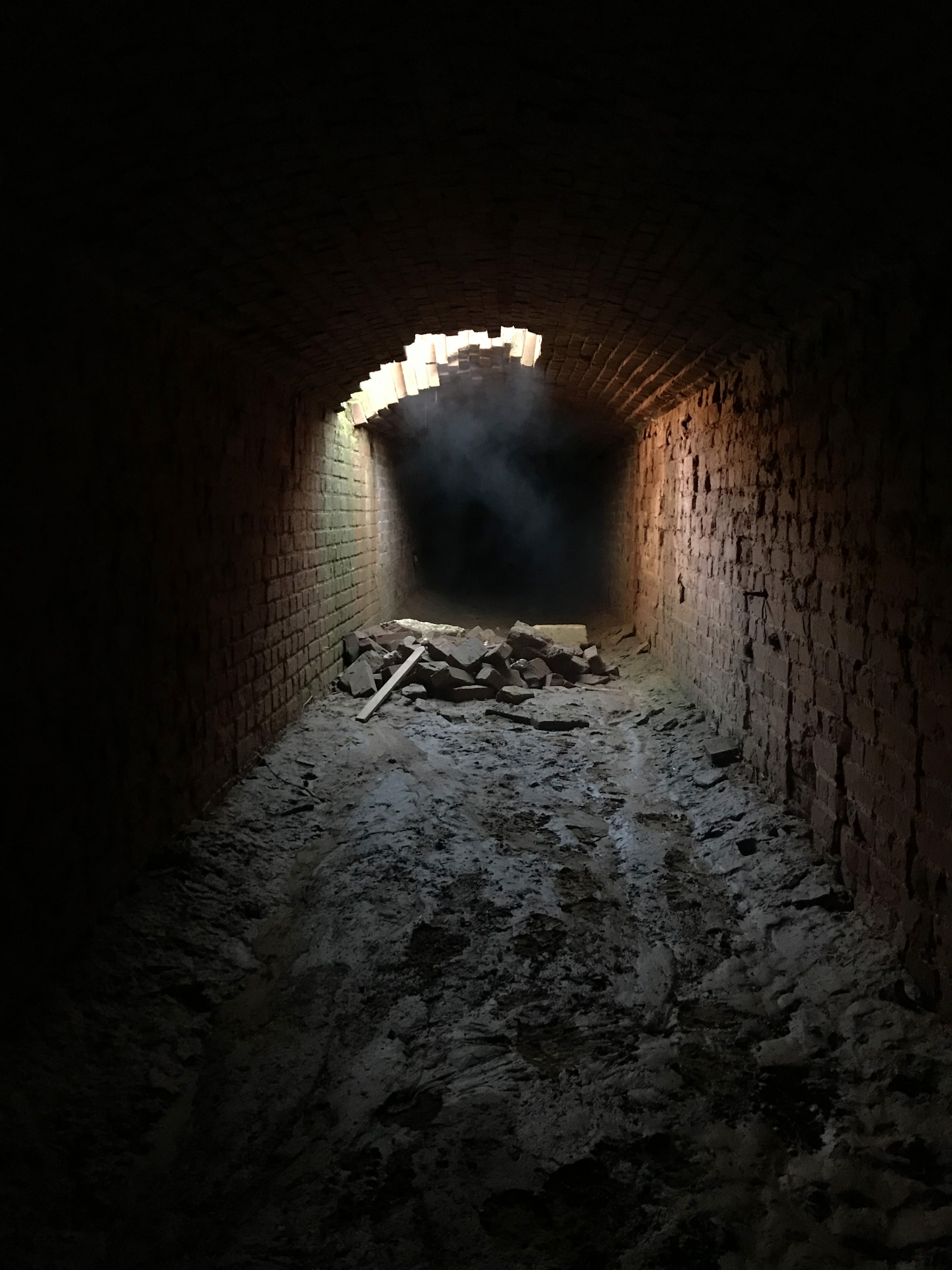
At the heart of the Atlanta RiverLands lies the former Chattahoochee Brick Company (CBC) Site—a place of profound historical significance. Here, in the late 19th and early 20th centuries, hundreds of African American men were forced into labor under Georgia’s convict leasing system. Redevelopment of this 75-acre site into a memorial, park, and greenspace will create a place for education, leisure, and reflection. The project builds on years of advocacy and storytelling by groups such as the Chattahoochee Brick Descendants Coalition and the National Center for Civil and Human Rights (NCCHR).
PROJECT DESCRIPTION
At the heart of the Atlanta RiverLands lies the former Chattahoochee Brick Company (CBC) Site—a place of profound historical significance. Here, in the late 19th and early 20th centuries, hundreds of African American men were forced into labor under Georgia’s convict leasing system. Redevelopment of this 75-acre site into a memorial, park, and greenspace will create a place for education, leisure, and reflection. The project builds on years of advocacy and storytelling by groups such as the Chattahoochee Brick Descendants Coalition and the National Center for Civil and Human Rights (NCCHR).
PROJECT DESCRIPTION
At the heart of the Atlanta RiverLands lies the former Chattahoochee Brick Company (CBC) Site—a place of profound historical significance. Here, in the late 19th and early 20th centuries, hundreds of African American men were forced into labor under Georgia’s convict leasing system. Redevelopment of this 75-acre site into a memorial, park, and greenspace will create a place for education, leisure, and reflection. The project builds on years of advocacy and storytelling by groups such as the Chattahoochee Brick Descendants Coalition and the National Center for Civil and Human Rights (NCCHR).
PROJECT BACKGROUND
“This site was one of the most terrible places anywhere in America at the end of the 19th century. There were hundreds of African American men forced to labor here against their will, accused of crimes that many of them had never committed. They suffered terrible abuses and indignities, hunger, and whippings. We don’t know how many people died here or how many may have been buried here, but this was a place of grim terror.”
-Douglas A. Blackmon, Slavery by Another Name
Location, Legacy, and Early Operations
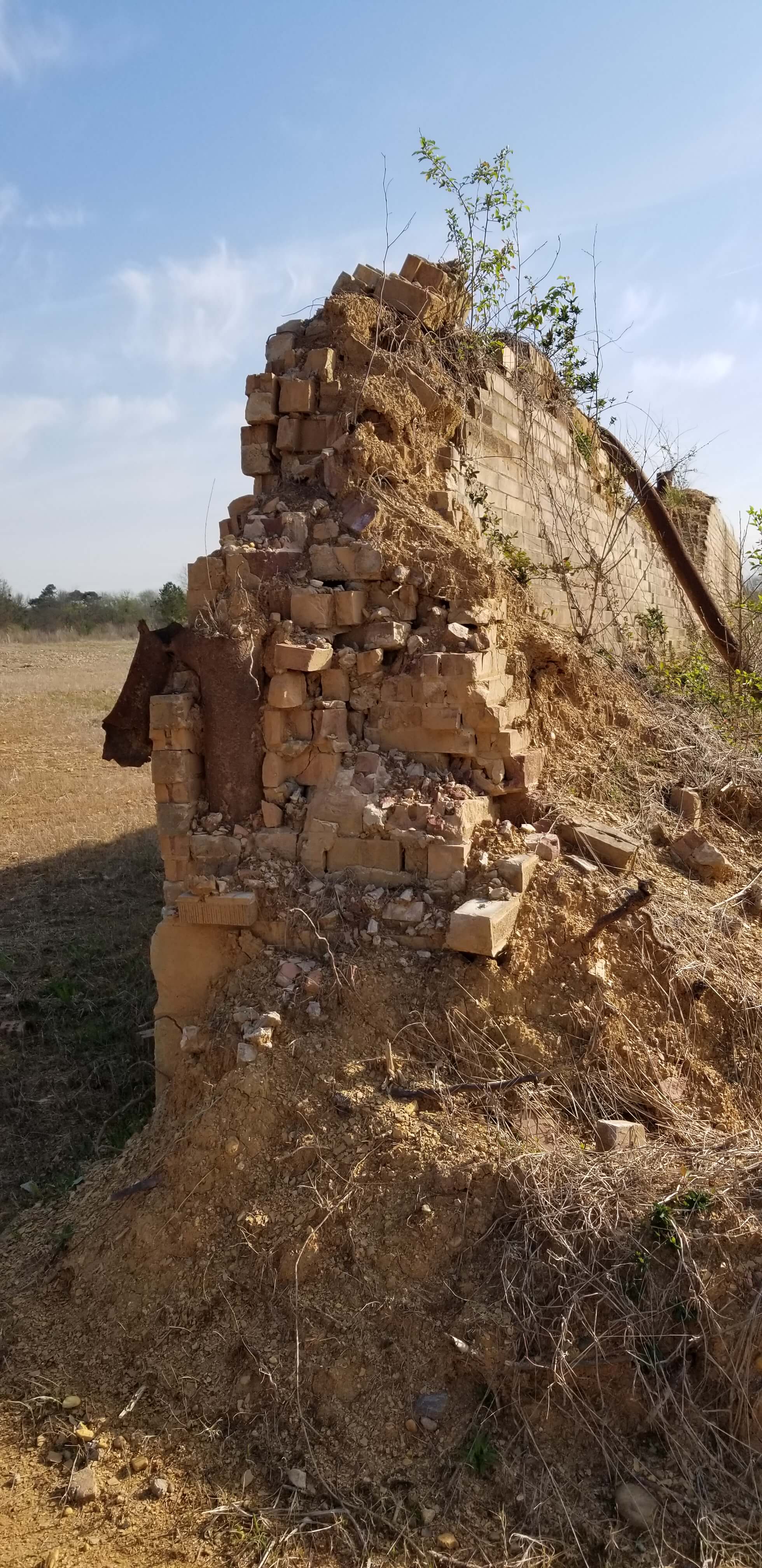
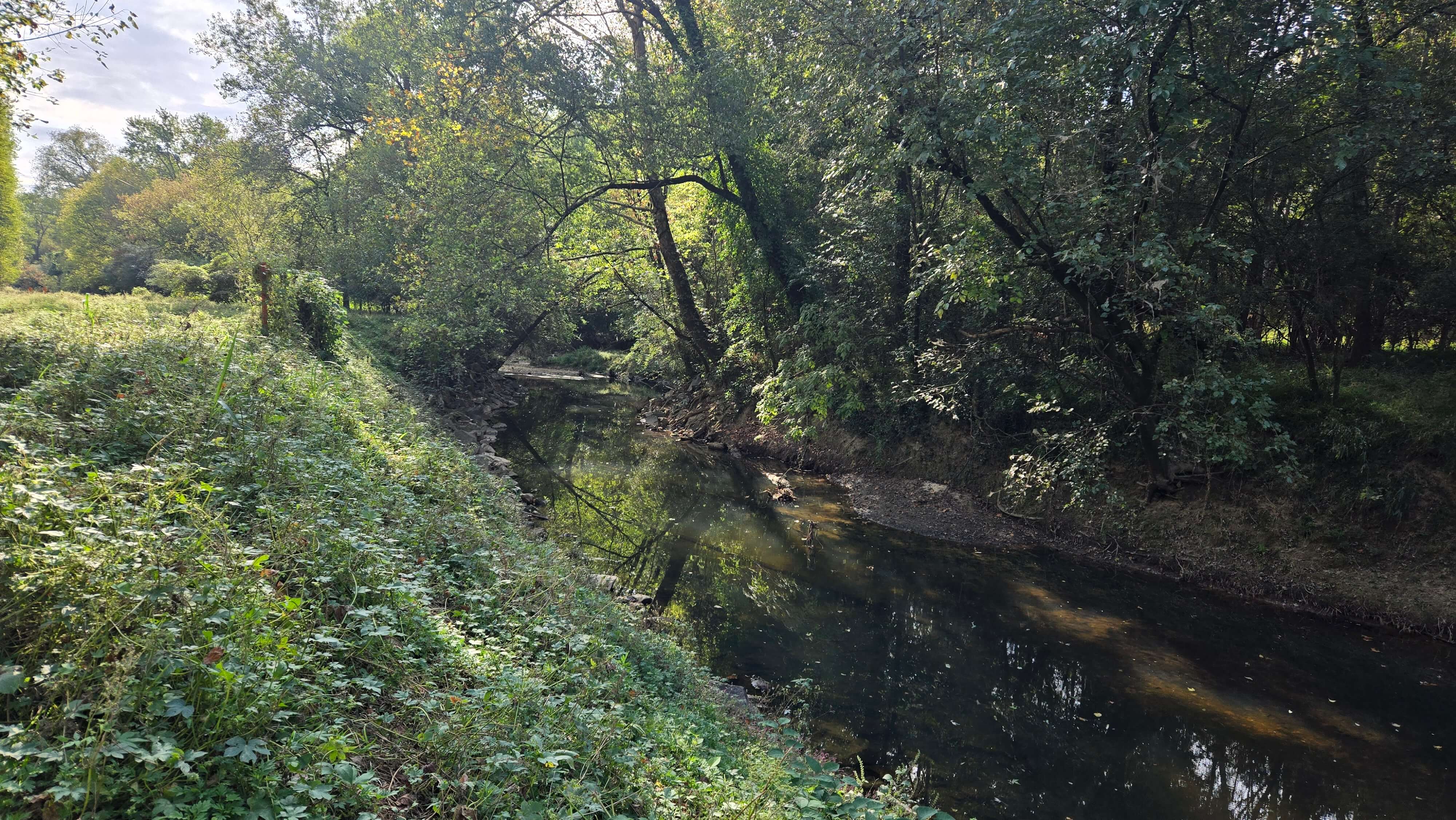
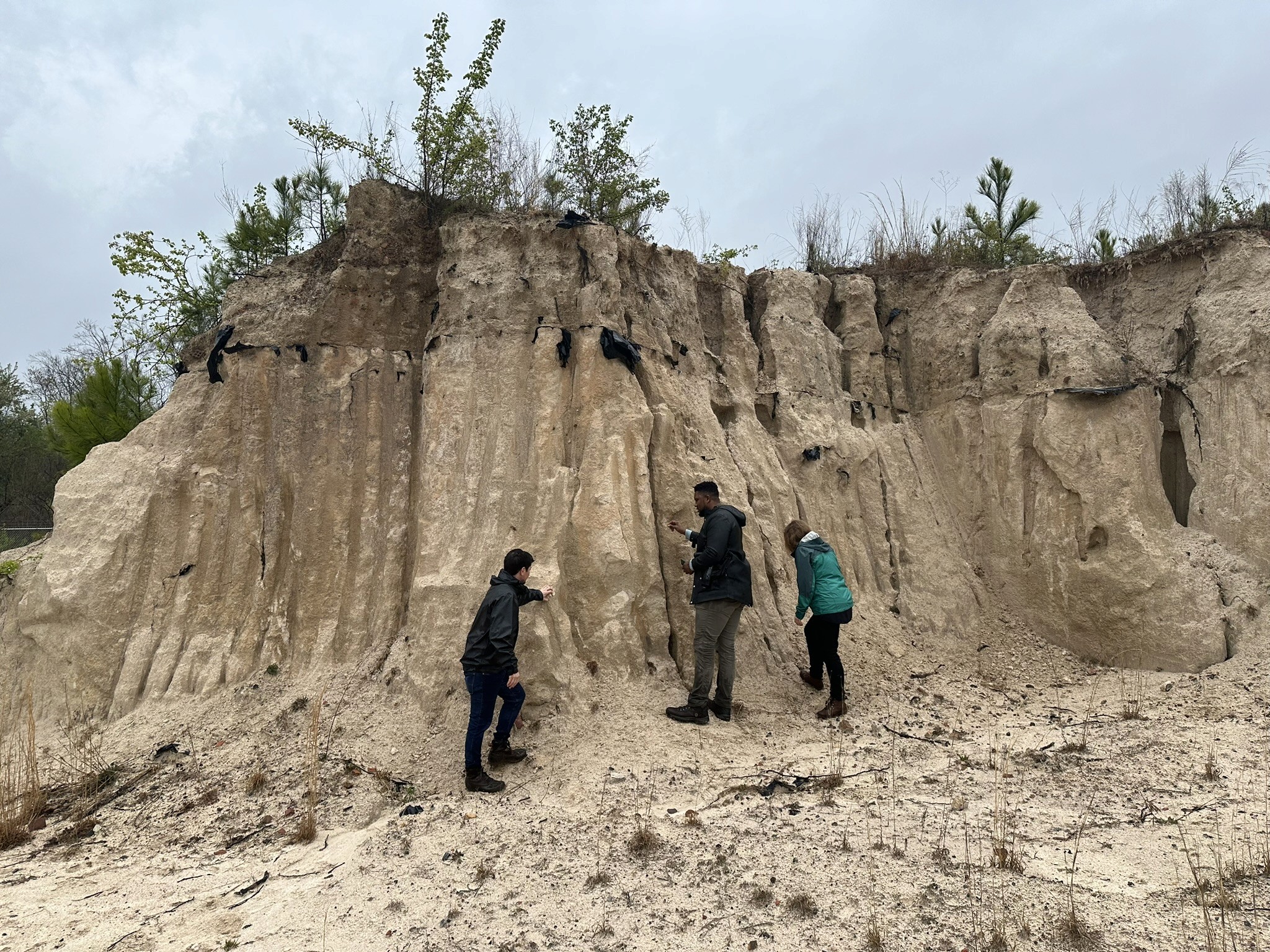
The former site of the Chattahoochee Brick Company (CBC) is situated on a bluff overlooking the Chattahoochee River at nearly the exact center of the Atlanta RiverLands. The City purchased this 74.5-acre site in 2022 with the intent of redeveloping it as a public park, greenspace for floodplain rehabilitation and restoration, and a memorial to the victims of the site’s dark history – and convening space for reflection. The redevelopment of this site will be a significant part of the City’s implementation of the Chattahoochee RiverLands vision.The CBC supplied numerous bricks for buildings and infrastructure throughout Atlanta during the decades of rapid growth that followed the Civil War. The company relied exclusively on leased convict labor from its inception in 1885, forcing primarily African American men, often arrested under petty or dubious charges, to work under brutal, sometimes fatal, conditions. Reports of cruel, inhuman treatment of prisoners were first published in 1895 and led to investigations that ended Georgia’s convict leasing system in 1909.
Modern History, Community Advocacy, and Redevelopment
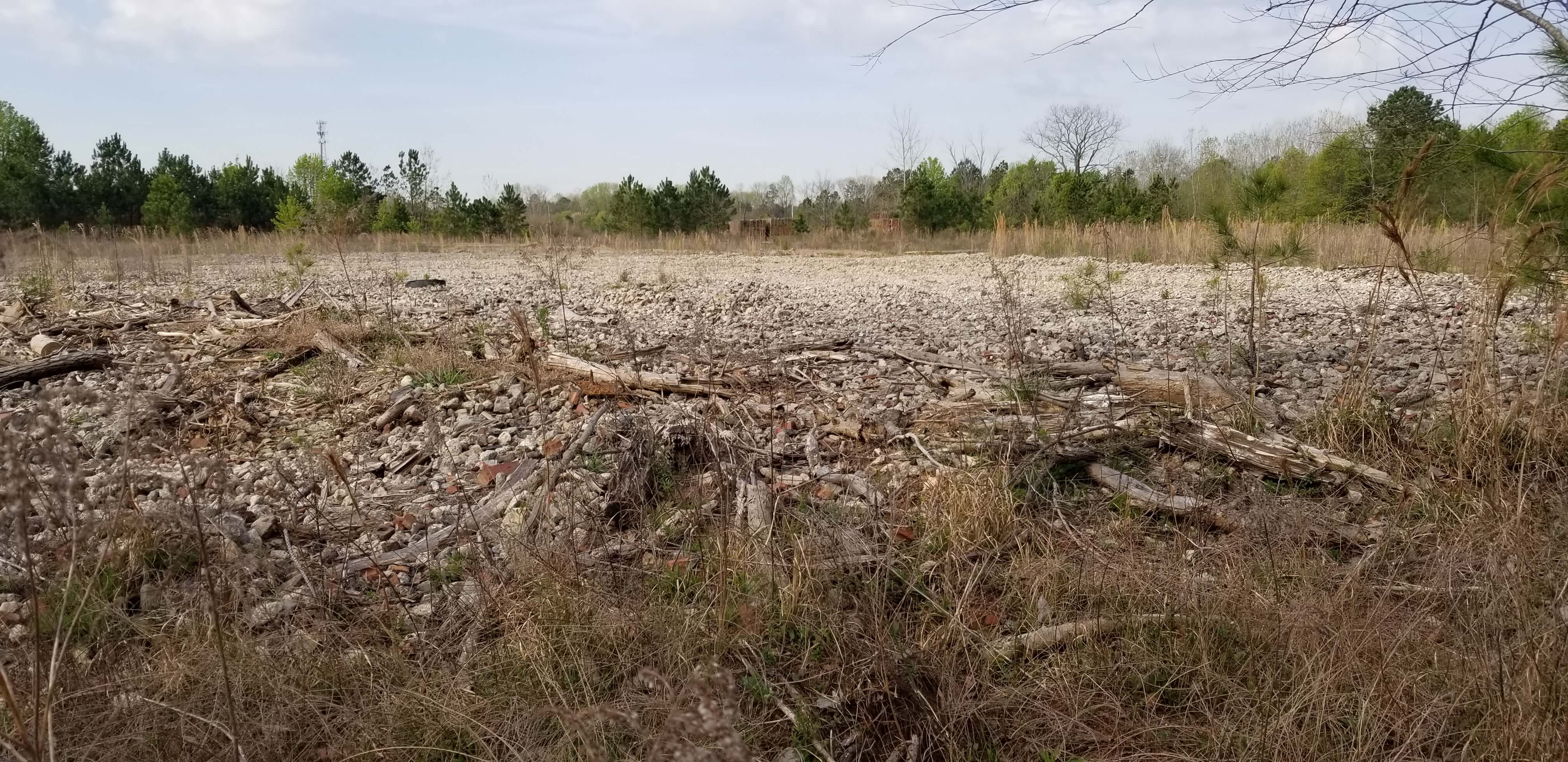
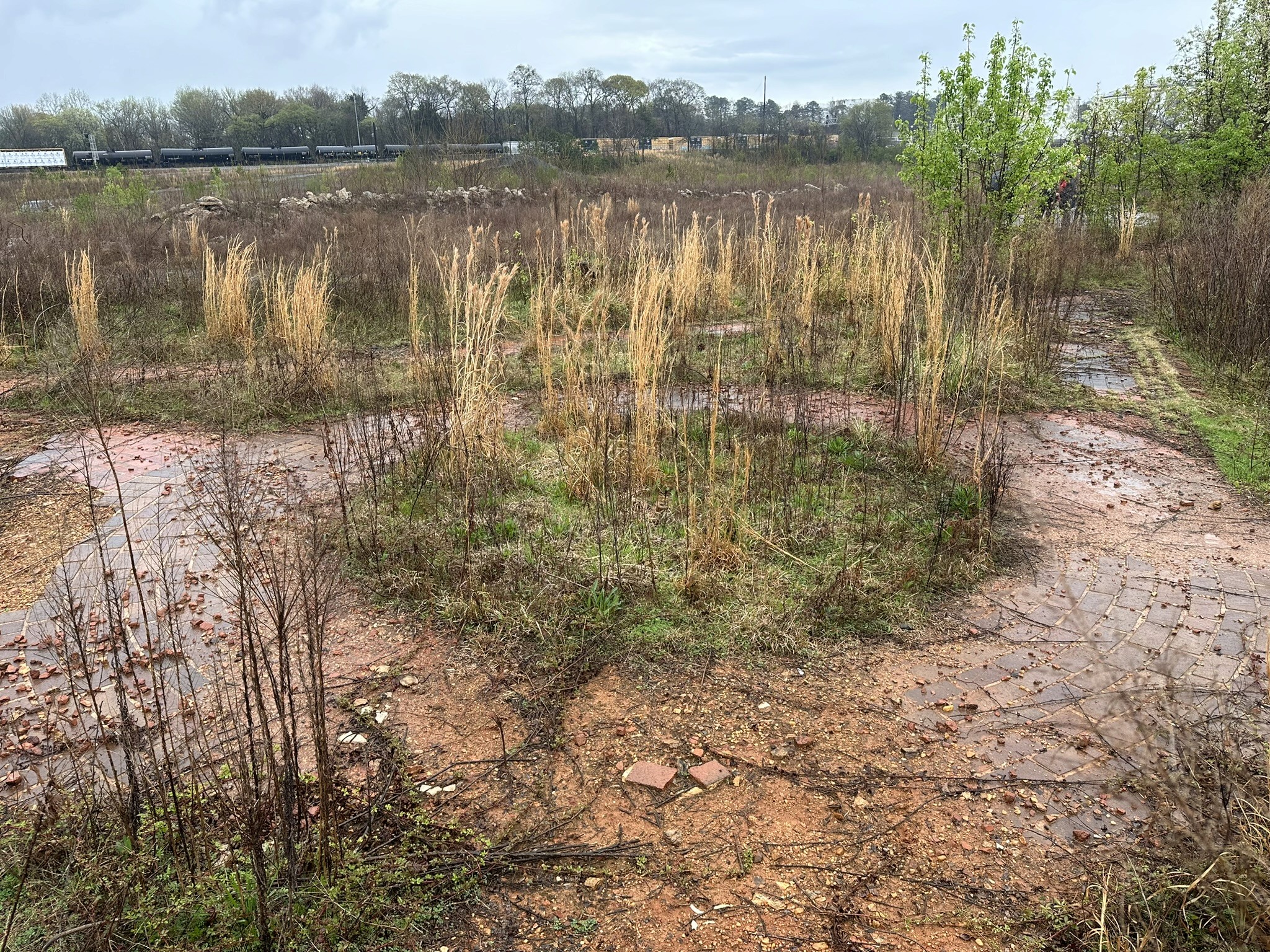
The CBC and its successor, General Shale Brick, continued operations using paid labor into the early 21st century. In 2011, the remaining factory buildings were demolished. A petroleum and alternative fuel distributor purchased the site in 2016 with the intent of building a terminal with direct rail services. They abandoned their efforts due to community opposition and pressure from the CoA. The City purchased the property in 2022 with the intent of redeveloping the site into a public greenspace, park, and memorial to the victims of convict leasing. Even before the City acquired the property, two local non-profit organizations, the Chattahoochee Brick Descendants Coalition and the National Center for Civil and Human Rights (NCCHR) had already begun efforts to raise public awareness of the site and its history and discuss ideas for memorialization. Both groups are working with the City throughout this planning effort.
PROJECT BACKGROUND
“This site was one of the most terrible places anywhere in America at the end of the 19th century. There were hundreds of African American men forced to labor here against their will, accused of crimes that many of them had never committed. They suffered terrible abuses and indignities, hunger, and whippings. We don’t know how many people died here or how many may have been buried here, but this was a place of grim terror.”
-Douglas A. Blackmon, Slavery by Another Name
Location, Legacy, and Early Operations
The former site of the Chattahoochee Brick Company (CBC) is situated on a bluff overlooking the Chattahoochee River at nearly the exact center of the Atlanta RiverLands. The City purchased this 74.5-acre site in 2022 with the intent of redeveloping it as a public park, greenspace for floodplain rehabilitation and restoration, and a memorial to the victims of the site’s dark history – and convening space for reflection. The redevelopment of this site will be a significant part of the City’s implementation of the Chattahoochee RiverLands vision.The CBC supplied numerous bricks for buildings and infrastructure throughout Atlanta during the decades of rapid growth that followed the Civil War. The company relied exclusively on leased convict labor from its inception in 1885, forcing primarily African American men, often arrested under petty or dubious charges, to work under brutal, sometimes fatal, conditions. Reports of cruel, inhuman treatment of prisoners were first published in 1895 and led to investigations that ended Georgia’s convict leasing system in 1909.
Modern History, Community Advocacy, and Redevelopment
The CBC and its successor, General Shale Brick, continued operations using paid labor into the early 21st century. In 2011, the remaining factory buildings were demolished. A petroleum and alternative fuel distributor purchased the site in 2016 with the intent of building a terminal with direct rail services. They abandoned their efforts due to community opposition and pressure from the CoA. The City purchased the property in 2022 with the intent of redeveloping the site into a public greenspace, park, and memorial to the victims of convict leasing. Even before the City acquired the property, two local non-profit organizations, the Chattahoochee Brick Descendants Coalition and the National Center for Civil and Human Rights (NCCHR) had already begun efforts to raise public awareness of the site and its history and discuss ideas for memorialization. Both groups are working with the City throughout this planning effort.
PROJECT BACKGROUND
“This site was one of the most terrible places anywhere in America at the end of the 19th century. There were hundreds of African American men forced to labor here against their will, accused of crimes that many of them had never committed. They suffered terrible abuses and indignities, hunger, and whippings. We don’t know how many people died here or how many may have been buried here, but this was a place of grim terror.”
-Douglas A. Blackmon, Slavery by Another Name
Location, Legacy, and Early Operations
The former site of the Chattahoochee Brick Company (CBC) is situated on a bluff overlooking the Chattahoochee River at nearly the exact center of the Atlanta RiverLands. The City purchased this 74.5-acre site in 2022 with the intent of redeveloping it as a public park, greenspace for floodplain rehabilitation and restoration, and a memorial to the victims of the site’s dark history – and convening space for reflection. The redevelopment of this site will be a significant part of the City’s implementation of the Chattahoochee RiverLands vision.The CBC supplied numerous bricks for buildings and infrastructure throughout Atlanta during the decades of rapid growth that followed the Civil War. The company relied exclusively on leased convict labor from its inception in 1885, forcing primarily African American men, often arrested under petty or dubious charges, to work under brutal, sometimes fatal, conditions. Reports of cruel, inhuman treatment of prisoners were first published in 1895 and led to investigations that ended Georgia’s convict leasing system in 1909.
Modern History, Community Advocacy, and Redevelopment
The CBC and its successor, General Shale Brick, continued operations using paid labor into the early 21st century. In 2011, the remaining factory buildings were demolished. A petroleum and alternative fuel distributor purchased the site in 2016 with the intent of building a terminal with direct rail services. They abandoned their efforts due to community opposition and pressure from the CoA. The City purchased the property in 2022 with the intent of redeveloping the site into a public greenspace, park, and memorial to the victims of convict leasing. Even before the City acquired the property, two local non-profit organizations, the Chattahoochee Brick Descendants Coalition and the National Center for Civil and Human Rights (NCCHR) had already begun efforts to raise public awareness of the site and its history and discuss ideas for memorialization. Both groups are working with the City throughout this planning effort.
PROJECT TIMELINE
The Chattahoochee Brick Company Planning and Design Process will take place over a 16-month period, from August 2025 to November 2026
PROJECT TIMELINE
The Chattahoochee Brick Company Planning and Design Process will take place over a 16-month period, from August 2025 to November 2026
PROJECT TIMELINE
The Chattahoochee Brick Company Planning and Design Process will take place over a 16-month period, from August 2025 to November 2026